Company
Rebuilding trust in the world, one connection at a time.
Sentient is building a new foundation for trusted communication between people and organizations.

New York
Founded in New York. Built for a world that has changed.
Why Sentient exists
Communication has a trust problem.
For generations, we learned to trust familiar signals. A phone number. A caller ID. A recognizable name. A familiar voice.
But knowing what appears on a screen is no longer the same as knowing who is on the other side.
As communication has evolved, impersonation has evolved with it. Sentient was created around a different idea: trust shouldn’t have to be guessed.
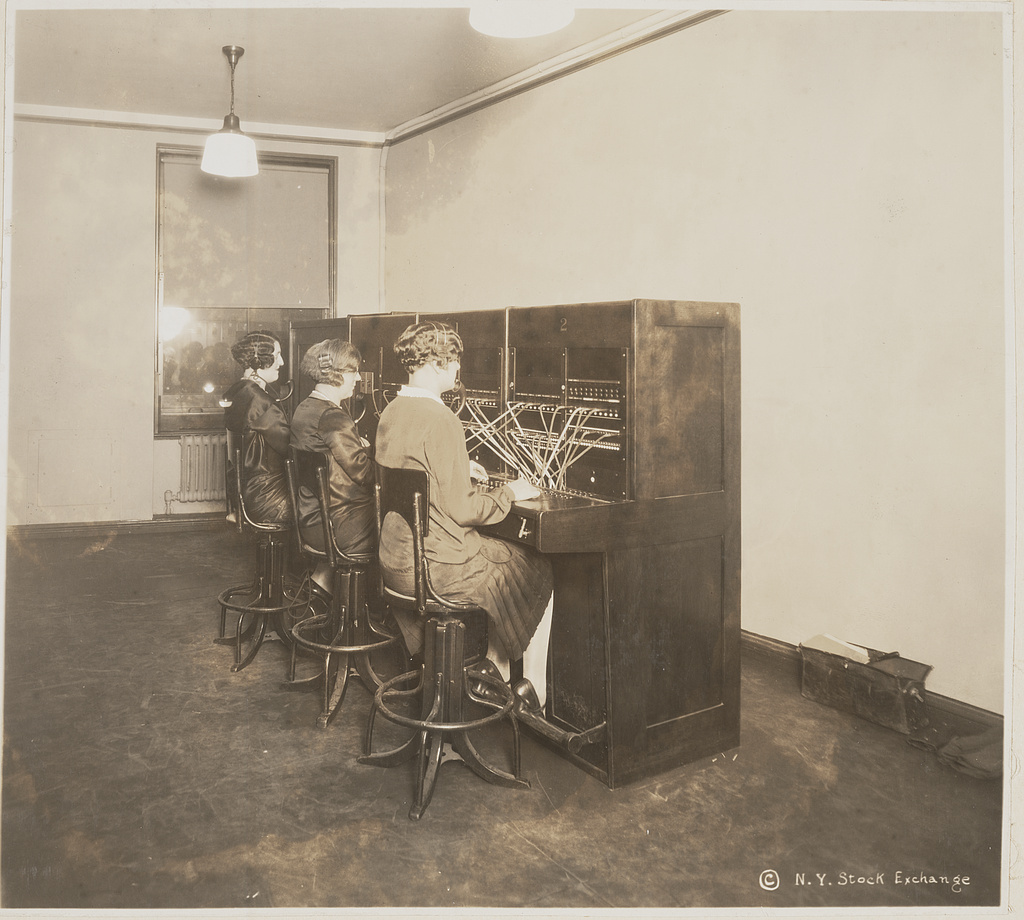
Inherited foundations
The world changed.
Communication inherited the past.
The foundations of the telephone network were created in the nineteenth century, long before the internet, online banking, Voice over IP or artificial intelligence could have been imagined.
The systems we use today have evolved enormously, but many of the assumptions around identity and trust originated in a very different technological world.
Sentient began by asking what communication would look like if we designed for the world we live in now.
Our story
What if trust came before communication?
Sentient started with a simple observation: most communication systems begin by asking how someone can reach you. We became interested in a different question — how should someone establish that they are trusted to reach you in the first place?
That question led us back to first principles.
What if people didn’t need to make a phone number, email address or username the gateway to communication? What if relationships between people, devices and organizations could be established deliberately — and trust could persist after that connection was made?
That idea became Sentient.
Human connection
Behind every connection is a person.
Security shouldn’t make communication feel colder. It should give people greater confidence in the relationships that already matter to them.
Technology is most valuable when it recedes into the background, helping people feel present, protected and at ease with one another.

Our mission
Rebuild trust in the world,
one connection at a time.
Company principles
The ideas that guide our work.
- 01
Trust by design
Trust should be established by the system — not inferred from appearances.
- 02
Privacy by default
Communication shouldn’t require people to expose more information about themselves than necessary.
- 03
Built for what comes next
Security should anticipate how technology and threats are changing rather than simply reacting afterward.
- 04
Technology should serve people
Sophisticated security should ultimately make people’s lives simpler, not more complicated.
Founder
Vennie Dass
Founder
Sentient was founded independently in New York around a conviction that communication could be rebuilt around trust rather than public identifiers.
The company began by questioning assumptions that had become so familiar they were rarely questioned at all — who should be able to reach us, what establishes identity, and what trust should mean in an age of increasingly capable digital impersonation.
Looking forward
Trust should scale with technology.
We’re beginning with communication between people and organizations. But the underlying challenge is larger: as more of life becomes digital — and as machines become increasingly capable of imitating people — the ability to establish trust will become more important, not less.
Sentient is being built for that future.
SENTIENT
A more connected world needs
a more trustworthy way to connect.
Rebuilding trust in the world, one connection at a time.